 Reviews


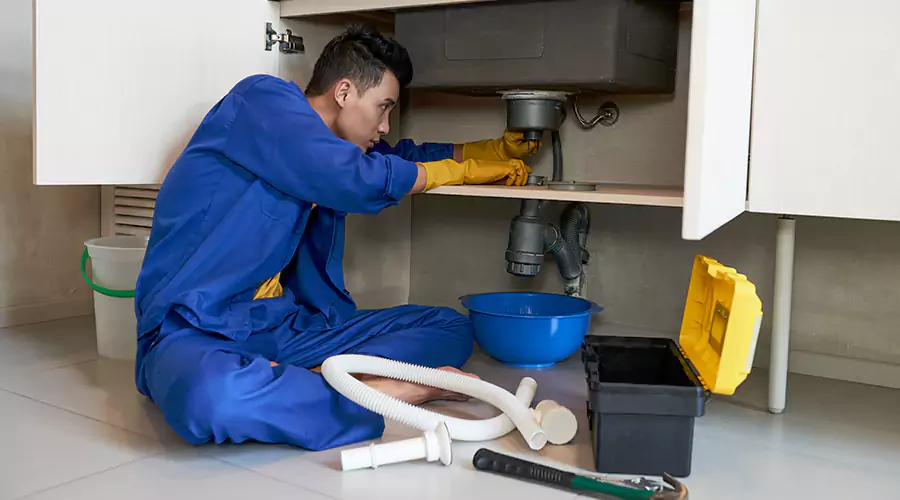
Most plumbing disasters don?t start with a flood. They start with small habits: what goes down a drain, a ?temporary? fix that becomes permanent, or maintenance that never happens. Avoiding a few common mistakes can save you thousands in repairs, water damage, and headaches.
Here are 10 plumbing mistakes homeowners make all the time?plus practical ways to avoid them.
1) Treating the Toilet Like a Trash Can
If it didn?t come from your body or it isn?t toilet paper, don?t flush it. ?Flushable? wipes, paper towels, cotton swabs, floss, and hygiene products don?t break down well and can create nasty clogs in the toilet trap or main line.
Avoid it:
- Keep a small trash can in every bathroom.
- Teach kids: ?Toilet paper only.?
- If you use wipes, toss them?don?t flush them.
2) Pouring Grease and Oil Down the Kitchen Sink
Grease looks harmless when hot, but it cools into a sticky layer that traps food and causes slow drains. Over time, it can harden into a pipe ?cast? that?s difficult to remove without professional tools.
Avoid it:
- Let grease cool in a container.
- Scrape it into the trash.
- Wipe pans before rinsing.
3) Overusing Chemical Drain Cleaners
Harsh drain chemicals can damage pipes (especially older ones) and make professional work riskier if chemicals remain in the line. They?re also a common reason a simple clog turns into a damaged trap or corroded fitting, which may require water leak repair to fix properly.
Avoid it:
- Try a plunger or hand snake first.
- Use drain strainers to prevent hair and food from entering.
- For ongoing odor/buildup, choose enzyme-based cleaners (gentler) as directed.
4) Ignoring ?Small? Leaks
A drip, a running toilet, or a damp cabinet corner can waste a surprising amount of water and quietly damage wood, drywall, and flooring. Leaks also attract pests and can create mold conditions in as little as 24?48 hours, depending on ventilation.
Avoid it:
- Fix drips quickly (washers, cartridges, fill valves).
- Check under sinks monthly for moisture.
- Watch for musty smells, warped floors, or water stains.
5) Over-Tightening Fittings
Cranking down too hard can crack plastic parts, strip threads, and deform washers?creating leaks later. This shows up a week later as a ?mystery? drip under the sink.
Avoid it:
- Hand-tighten, then snug with a wrench (often a quarter turn).
- Use plumber?s tape only on threaded connections.
- If it still leaks, re-seat the washer or re-align threads?don?t keep tightening.
6) Not Knowing Where the Main Shut-Off Valve Is
When a supply line fails, seconds matter. If you can?t shut water off fast, damage spreads to floors, baseboards, and adjacent rooms.
Avoid it:
- Locate your main shut-off today (near the meter, garage, basement, or crawl space).
- Turn it off/on once to make sure it moves.
- Label it and show everyone in the home.
7) Skipping Water Heater Maintenance
Sediment buildup reduces efficiency, causes rumbling noises, and shortens heater life?especially in hard-water areas. It can also reduce hot water volume because sediment takes up space in the tank.
Avoid it:
- Once a year, flush a few gallons until water runs clearer.
- Keep the temperature around 120?F for safety and efficiency.
- Ask a plumber to inspect the anode rod every few years to slow corrosion.
8) Misusing the Garbage Disposal
Disposals can?t ?eat? everything. Fibrous foods, starchy leftovers, coffee grounds, grease, and eggshell membranes commonly cause jams or clogs.
Avoid it:
- Run cold water before/during/after use.
- Feed small amounts at a time.
- Trash or compost fibrous/starchy scraps.
9) DIY Changes Without Understanding Traps and Venting
Traps and vents prevent sewer gas and help drains flow. Removing a P-trap, using the wrong fittings, or changing drain angles can cause slow drains, gurgling, and odors. In some cases, it can also pull trap water out and let sewer gas enter the home.
Avoid it:
- Never remove or bypass traps.
- Match pipe sizes and fitting types exactly.
- For relocations or remodels, get professional guidance early.
10) Waiting Too Long to Call for Help
Recurring clogs, constant backups, or unexplained high water bills usually mean something deeper is going on. The earlier you address it, the more likely you?ll avoid demolition, mold remediation, or emergency after-hours pricing.
Avoid it:
- Treat repeats as a signal, not bad luck.
- Schedule an inspection if you notice:
- backups in multiple fixtures
- sewage smells or gurgling drains
- sudden pressure drops
- hot water problems that keep returning
Quick Prevention Checklist
Weekly: Listen for running toilets; look for slow drains.
Monthly: Look under sinks for moisture; clean drain strainers.
Seasonally: Disconnect hoses; check outdoor spigots and exposed pipes; inspect caulk around tubs/showers.
Yearly: Water heater flush/check; consider a professional inspection for older homes.
Emergency-Ready: 3 Things to Do Today
- Save your plumber?s number in your phone (and put it on the fridge).
- Keep a basic kit: plunger, adjustable wrench, bucket, towels, flashlight, and plumber?s tape.
- Know the ?first response? steps: shut off water, cut power to wet areas if safe, and document damage for insurance.
When to Call a Licensed Plumber
Safety box: Call a licensed plumber if water backs up into multiple fixtures, you smell sewage, you see leaks in walls/ceilings, or your water heater leaks or smells like gas. These issues can involve the main line, hidden leaks, or equipment failure and should be handled safely.
Final Thoughts
Plumbing stays ?easy? when you catch problems early. Avoid these common mistakes, follow a simple maintenance routine, and your system will reward you with fewer emergencies and lower costs.
Need help diagnosing a leak, slow drain, or water heater issue? Contact a licensed plumbing professional for a proper inspection and long-lasting repair.